
US, Canada or NZ PR? Schengen Visa Rules for Indians
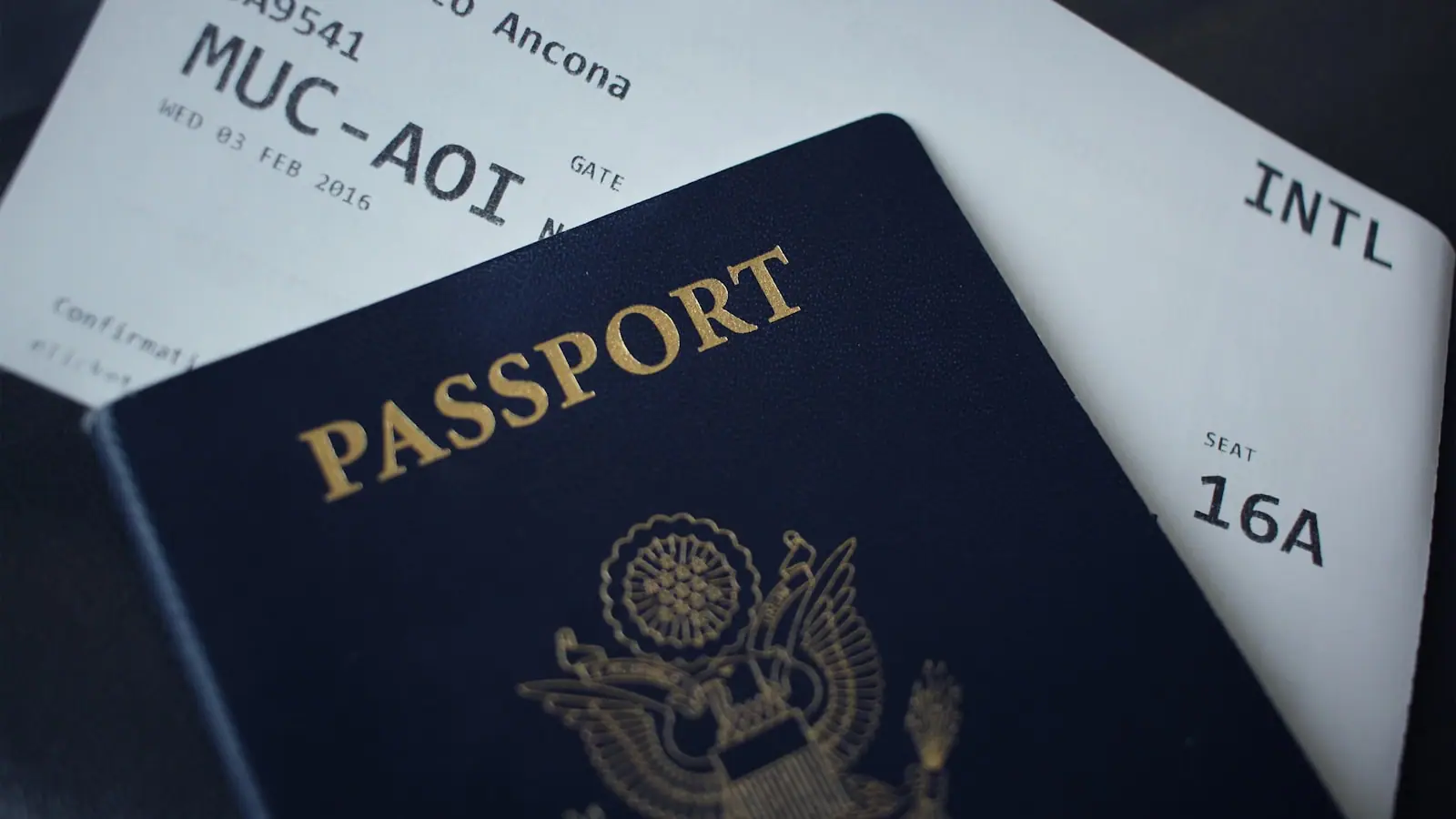
Yes. If you travel on an Indian passport, you need a short-stay Schengen visa, no matter what permanent residency you hold. A US green card, Canadian PR card, New Zealand residence visa or UK ILR changes nothing about the visa requirement itself, because EU visa policy is decided by nationality, not by where you live. What your PR does change is where you apply, how you transit through European airports, and a few useful extras outside the Schengen area.
This question comes up constantly among NRI families planning a European road trip, and diaspora forums are full of confident, wrong answers. Here is what the rules actually say in 2026.
Why residency does not matter for the Schengen visa
The EU keeps two lists under Regulation (EU) 2018/1806: nationalities that need a visa for short stays, and nationalities that do not. India is on the visa-required list. The regulation looks only at the passport you carry, so an Indian citizen living in San Francisco is treated exactly like an Indian citizen living in Pune for the purpose of whether a visa is needed.
The visa you apply for is the standard short-stay (Type C) Schengen visa. It allows stays of up to 90 days within any 180-day period across the whole Schengen area, under the 90/180-day rule.
One clarification that saves people from a common trap: a US green card is a US immigration document. It gives you rights in the United States, and a handful of side benefits elsewhere, but it carries no legal weight at a Schengen border. Nobody enters France on a green card.
Where do you apply if you live in the US, Canada or New Zealand?
You apply in the country where you are legally resident, at the consulate (or its visa centre, usually VFS, BLS or TLScontact) of your main destination. The European Commission's application rules are explicit on this, and consulates in the US confirm it: green card, H1B, F1 and J1 holders apply through consulates in the United States, not in India (see the Swiss FDFA's guidance for applicants in the USA).
Can you apply in India instead while visiting family? Only if you can justify to the consulate why you could not apply in your country of residence, and the consulate decides whether to accept that justification. In practice, plan to apply where you live.
Here is how it plays out for the residencies we get asked about most:
| You hold | Schengen visa needed? | Where you apply | Bonus rights |
|---|---|---|---|
| Indian passport + US green card | Yes | US consulate/VFS of your main destination | EU-wide airport transit exemption; Turkey e-visa; Albania and Montenegro visa-free (conditions apply) |
| Indian passport + Canada PR | Yes | In Canada | EU-wide airport transit exemption |
| Indian passport + NZ PR | Yes | In New Zealand | None within Schengen |
| Indian passport + UK ILR | Yes | In the UK | Airport transit exemption (BRP) |
| Indian passport + UAE residence visa | Yes | In the UAE (VFS/BLS) | GCC-resident application convenience only |
| Indian passport + Schengen residence permit | No, for other Schengen states (90/180) | n/a | The only true exemption |
Costs and timings in 2026
The visa fee is EUR 90 per adult and EUR 45 per child aged 6 to 12, free under 6, plus the visa centre's service charge, which varies by country and provider. Check the fee page of your local VFS, BLS or TLScontact centre when you book the appointment. You can apply at the earliest 6 months before travel and at the latest 15 days before. Standard processing is 15 days, extendable to 45, so for a summer road trip apply in early spring. Travel insurance is mandatory: minimum EUR 30,000 cover for emergency care, hospitalisation and repatriation, valid across the whole Schengen area.
Consular practice also expects your documents to outlast the trip: the Swiss FDFA notes the green card should generally remain valid about 3 months beyond your return, and your passport needs 3 months of validity beyond departure from Schengen plus two blank pages (VFS Global requirements).
The one residency that actually exempts you
There is exactly one residence document that removes the Schengen visa requirement: a residence permit issued by a Schengen state. An Indian citizen holding, say, a German Aufenthaltstitel or a Dutch residence permit can travel visa-free to other Schengen countries for up to 90 days in 180, as the German Federal Foreign Office confirms. That is the whole list. No non-European PR qualifies.
Two adjacent points worth knowing. Ireland is not in Schengen, so Indian nationals need a separate Irish visa regardless of any PR. And holders of Schengen residence permits are also exempt from the upcoming ETIAS.
Transit through Europe: what changed in 2026
This is where your PR genuinely helps, and where 2026 brought real news. Indians normally need an airport transit visa (ATV) to change planes at certain Schengen airports, but Indians holding a valid visa or residence permit of the USA, Canada, Japan, Ireland, the UK (BRP) or any Schengen state are exempt from the ATV EU-wide. So a green card or Canada PR already lets you connect through Frankfurt or Paris airside without extra paperwork. One trap: a US Advance Parole document does not count for this exemption.
The 2026 changes make this easier for everyone. France abolished the ATV for all Indian ordinary-passport holders from 10 April 2026, announced during President Macron's February visit to India. Germany followed from 3 June 2026, a move announced during Chancellor Merz's Delhi visit; you must stay airside. So connecting through CDG or Frankfurt on an Indian passport no longer needs any transit visa at all, PR or not.
Multi-entry visas: the India cascade does not follow you abroad
In April 2024 the EU adopted a more generous visa cascade for Indians: a 2-year multi-entry visa after two lawfully used visas in the previous three years, then a 5-year visa. Here is the nuance almost every article misses: this cascade applies only to Indian nationals residing in India and applying in India, as KPMG's analysis confirms.
If you apply in the US, Canada or the UAE, you fall under the standard EU Visa Code cascade instead. You can still work up to long multi-entry visas through a clean travel history, but the accelerated India-specific track does not apply to you. Budget for the possibility of a visa matched to your itinerary dates on a first application from abroad.
What your green card is actually good for in Europe
Beyond the transit exemption, a US green card or a valid multi-entry US visa unlocks some genuinely useful add-ons outside the Schengen area, per MEA India's summary of visa facilities:
- Turkey: e-visa available to Indians holding a valid US visa or green card (conditions apply, check the official e-visa portal before booking).
- Albania and Montenegro: visa-free entry with a valid multi-entry US, UK or Schengen visa or PR (verify current conditions per country before travel).
- Serbia: visa-free for all Indian passport holders for 30 days, no PR needed.
For road-trippers this matters. A Balkans loop through Albania, Montenegro and Serbia, or a Turkish coastal drive, can be far lighter on paperwork for a green-card holder than a Schengen itinerary. We design self-drive routes in both regions; see our Balkans routes and Turkey routes if that appeals.
EES and ETIAS in 2026: which one applies to you?
Two EU border systems cause endless confusion, so here is the short version for Indian passport holders.
EES applies to you. The Entry/Exit System replaced passport stamping with biometric registration (face and fingerprints) and has been fully operational at all external Schengen borders since 10 April 2026. Expect the biometric enrolment at your first entry point, whether that is an airport or a land border. Allow extra time on that first crossing.
ETIAS does not apply to you. ETIAS is a travel authorisation only for visa-exempt nationalities, expected to launch in late 2026 and become mandatory around 2027. As a visa-required national, your Schengen visa already covers what ETIAS checks. Ignore any site trying to sell you an "ETIAS for Indians".
Documents checklist for a self-drive Schengen application
A multi-country road trip has one visa quirk: you must apply to the country of your main destination, which for tourism means the country where you spend the most nights. Count your nights per country before choosing where to apply; if nights are equal, apply to the country of first entry. Your file should show a coherent itinerary:
- Passport (3 months validity beyond departure, 2 blank pages) and your PR card
- Completed application plus biometrics appointment at the consulate or visa centre in your country of residence
- Hotel confirmations across every country, matching your night count
- Car rental confirmation or voucher covering the trip dates
- Day-by-day route outline (consulates like seeing that a "France main destination" file really is mostly France)
- Travel insurance certificate, minimum EUR 30,000, valid in all Schengen states
- Proof of funds, employment and ties to your country of residence
- Flight reservations in and out
In our experience designing itineraries for travellers from India and the Gulf, the cleanest files are the ones where the paperwork tells one consistent story. Because Easy Escape delivers the rental voucher, hotel confirmations and the full day-by-day route as a single package, our travellers can hand the consulate exactly that. Once the visa is sorted, your next document is the International Driving Permit; see our IDP guide for Europe, and if this is your first time on the right side of the road, our guide to how safe driving in Europe really is is a good next read. For the application process itself, step by step, see the Schengen visa application guide.
FAQ
Can I enter Europe with just my US green card and Indian passport?
No. The green card is a US document with no validity at Schengen borders. Every Indian passport holder needs a Schengen visa for short stays, because the requirement follows nationality, not residence.
Can I apply for a Schengen visa in India if I live in the USA?
Normally no. You apply in your country of legal residence. A consulate in India may accept your application only if you justify why you could not apply in the US, and acceptance is at its discretion.
Do I need a transit visa to change planes in Paris or Frankfurt?
As of 2026, no. France scrapped the airport transit visa for Indians from 10 April 2026 and Germany from 3 June 2026. For other Schengen airports that still require an ATV, a valid US, Canadian, UK, Irish, Japanese or Schengen visa or residence permit exempts you. Advance Parole does not.
Which Schengen country should I apply to for a multi-country road trip?
The country where you will spend the most nights. If nights are split evenly, apply to the country of first entry. Make sure your hotel bookings and rental voucher clearly support that calculation.
Will I need ETIAS as an Indian passport holder?
No. ETIAS is only for nationals who can enter Schengen visa-free. Your Schengen visa replaces it entirely.
How long does a Schengen visa take from the US?
Standard processing is 15 days, extendable to 45. You can apply up to 6 months ahead and no later than 15 days before travel. For peak summer dates, apply 2 to 3 months out.
Once your visa is stamped, the fun part starts: the route. Tell us your dates, taste and budget at /plan and our European ground experts will design a self-drive itinerary with the car, hotels and day-by-day route delivered in one place, ready for the consulate file and the trip itself. Our fee is fixed, so our advice is never commission-driven.
Sources and references
- European Commission: Visa policy
- European Commission: Applying for a Schengen visa
- EEAS: EU adopts more favourable Schengen visa rules for Indians
- KPMG Flash Alert 2024-105: India visa cascade
- German missions in India: airport transit visa checklist
- France in India: France lifts airport transit visa requirements for Indian nationals
- Outlook Traveller: Germany removes airport transit visa rule for Indians from June 2026
- ThePrint: Germany scraps Schengen transit visa requirement for Indians
- European Commission: EES fully operational 10 April 2026
- ETIAS official: who should apply
- IND Netherlands: travelling within Schengen with a residence permit
- German Federal Foreign Office: FAQ for Schengen residence permit holders
- Swiss FDFA: where to apply for a Schengen visa in the USA
- VFS Global: common information for Schengen applicants in India
- MEA India: visa facilities for Indian nationals