
10 Best Scenic Driving Routes in Europe (2026 Guide)
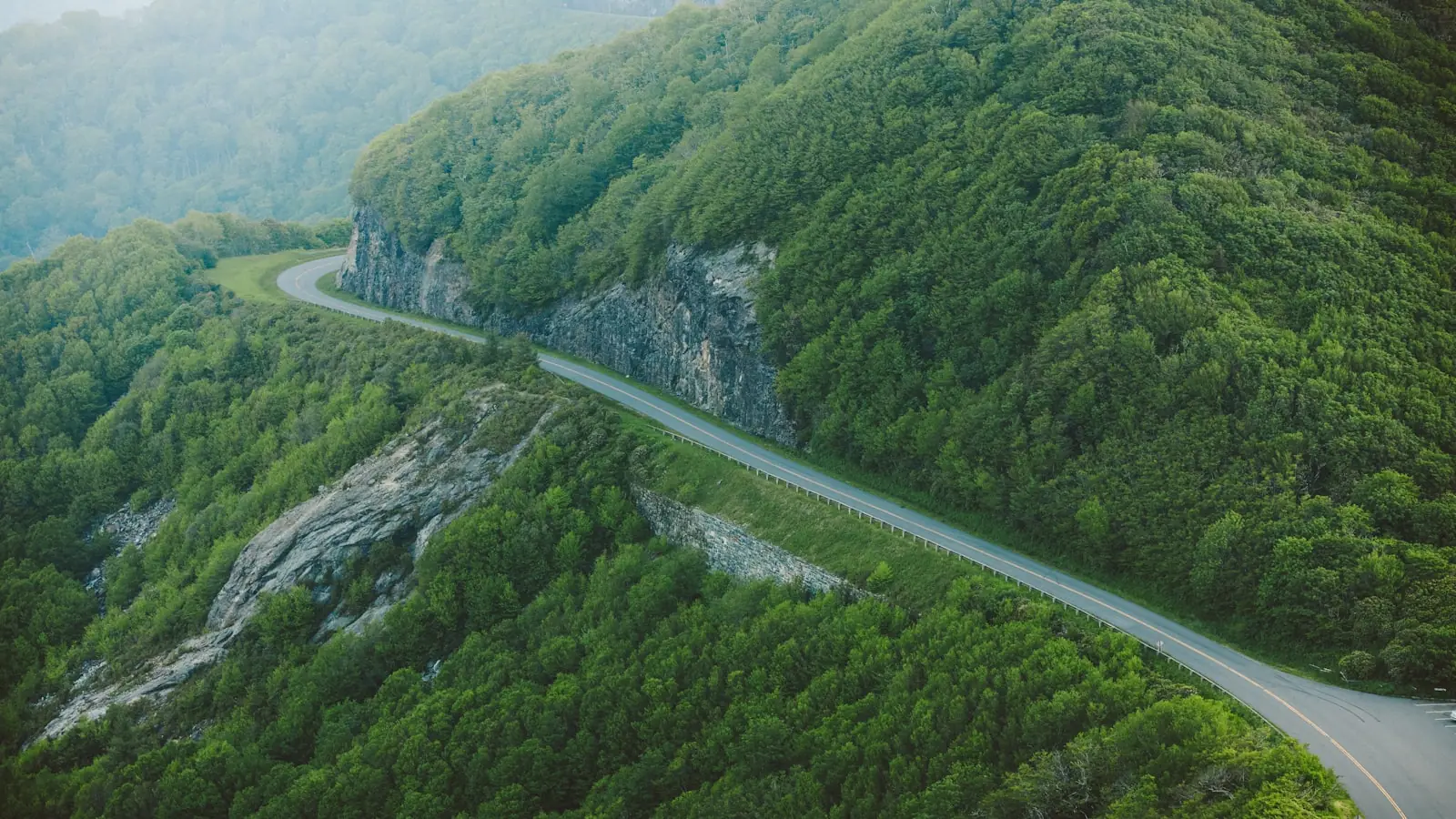
The best scenic driving routes in Europe are the Grossglockner High Alpine Road, the Transfagarasan, the Amalfi Coast, Norway's Atlantic Ocean Road and Trollstigen, the Swiss three-pass loop, the Stelvio Pass, the Alsace Wine Route, Scotland's North Coast 500, and Portugal's Douro Valley N222. Here is the detail most lists skip: roughly half of these roads close for six months a year, one charges EUR 46.50 per vehicle, and one bans half of all number plates on peak summer days. This guide covers what each route actually costs, when it is genuinely open, and how hard it is for a first-time driver in Europe.
How we chose these routes Many of the best drives here are high-altitude and seasonal; check our Alpine pass closure guide before planning outside summer.
We are route designers, not list compilers. Easy Escape's ground experts live in Europe and drive these roads while planning self-drive itineraries, so this list is weighted toward what matters behind the wheel: road surface, traffic timing, opening windows, and whether a nervous first-timer can enjoy it or should build up to it. Every toll, date and restriction below comes from the official road operator or national authority, current for 2026.
Each route gets the same five facts: where it runs, how long to allow, when it is open, what it costs, and a first-timer difficulty grade (Easy, Moderate or Demanding).
The 10 best scenic routes in Europe
1. Grossglockner High Alpine Road, Austria
Where: 48 km between Bruck and Heiligenblut, climbing to 2,504 m at the Edelweissspitze. Time: a full half day with stops. Open: the road closes every winter; the 2026 season runs until 2 November, with last entry at 20:15 in high summer. Cost: the 2026 day toll is EUR 46.50 per vehicle, EUR 40.00 for electric cars, and EUR 36.50 after 18:00. The toll road itself needs no vignette, but the Austrian motorways you take to reach it do (a 10-day digital vignette is EUR 12.80 in 2026). Difficulty: Moderate. Wide, beautifully engineered, but 36 hairpins and altitude.
2. Transfagarasan (DN7C), Romania
Where: about 90 km through the Fagaras Mountains, topping out at 2,042 m by Balea Lake. Time: a full day; traffic crawls in August. Open: officially 1 July to 31 October, though it reopened as early as 6 June in 2025 and weather can close sections even in October. Cost: free, but Romania requires an e-rovinieta for national roads; confirm with your rental company whether it is included. Difficulty: Demanding. Long, high, and busy at the top.
3. Amalfi Coast Drive (SS163), Italy
Where: roughly 50 km of cliff road between Vietri sul Mare and Positano. Time: allow 3 to 4 hours; average speed is low. Open: year-round, with a serious catch. On peak dates, an odd/even number-plate restriction applies from 10:00 to 18:00: daily from Easter week to around 1 May, then weekends and holidays through June and July. It applies to rental and foreign-plated cars too; hotel guests are exempt with proof of reservation. Cost: the road is free; town ZTL zones carry fines. Difficulty: Demanding. Narrow lanes, buses, and scooters. The Amalfi Coast itinerary on this site is built around the plate calendar and pre-located parking.
4. Atlantic Ocean Road (Fv64), Norway
Where: 8.3 km hopping across islets on 8 bridges, including the 260 m Storseisundet bridge. Time: an hour with photo stops, longer in a storm (which is when it is most dramatic). Open: year-round. Cost: toll-free since 1999, and one of Norway's 18 National Tourist Routes. Difficulty: Easy. Short, well surfaced, low speed.
5. Trollstigen (Fv63), Norway
Where: 11 hairpins at a 7 to 8 percent gradient up a fjord wall. Time: an hour, plus the viewing platforms. Open: seasonal. After a rockfall closure of about a year and a half, it reopened on 11 July 2025, and in 2026 it opened early, on 27 April, following rock-protection works. Check the official status page before you go. Cost: free. Difficulty: Demanding. Tight hairpins with real exposure.
6. Furka and Grimsel pass loop, Switzerland
Where: the classic three-pass loop from Andermatt (Furka at 2,429 m, Grimsel, and optionally Susten) covers about 120 km. Time: a full day. Open: roughly June to October; in 2026 Furka and Grimsel reopened on 29 May. Cost: the passes are free, but Swiss motorways require the CHF 40 annual vignette; there is no short-term version, and driving without one risks a CHF 200 fine. Difficulty: Moderate. Good surfaces, but sustained climbing and postbus traffic.
7. Stelvio Pass (SS38), Italy
Where: 48 numbered hairpins on the Prato side, cresting at 2,758 m, the second-highest paved pass in the Alps (italia.it). Time: half a day. Open: roughly late May or 1 June to 31 October, snow permitting. Note that on Stelvio Bike Day, 29 August 2026, the pass closes to cars from 8:00 to 16:00. Cost: free. Difficulty: Demanding. The hairpins are relentless and cyclists are everywhere.
8. Alsace Wine Route, France
Where: 170+ km of D-roads from Marlenheim to Thann through more than 70 wine villages, on a route inaugurated in 1953. Time: two to three unhurried days. Open: year-round; late spring and the September-October harvest are the sweet spots. Cost: free, no tolls. Difficulty: Easy. Flat, slow, and forgiving. This is the route we recommend most often as a first day of right-side driving.
9. North Coast 500, Scotland
Where: a 516-mile (830 km) loop from Inverness around Scotland's far north. Time: five to seven days minimum; much of it is single-track road with passing places. Open: year-round; May to September is best. Cost: free. Two planning notes for our readers: the UK is outside Schengen, so Indian and GCC passport holders need a separate UK visa, and the UK drives on the left, the opposite of the rest of this list. Difficulty: Moderate, mainly for the single-track etiquette and distances between fuel stops.
10. Douro Valley N222, Portugal
Where: the celebrated 27 km stretch between Peso da Regua and Pinhao packs in 93 bends above the river's port-wine terraces; the full N222 runs about 227 km from Vila Nova de Gaia. Time: the famous section takes under an hour; make it a day. Open: year-round; September and October harvest is peak. Cost: the N222 is free, though the Portuguese motorways to reach it use electronic tolls; check that your rental car carries a toll transponder. Difficulty: Easy to Moderate. Curvy but low speed and low stress.
Quick-reference table
| Route | Country | Length | Open months | Toll | Difficulty |
|---|---|---|---|---|---|
| Grossglockner | Austria | 48 km | May to early Nov | EUR 46.50/day | Moderate |
| Transfagarasan | Romania | ~90 km | Jul to Oct (often Jun) | Free | Demanding |
| Amalfi Coast SS163 | Italy | ~50 km | Year-round (plate days) | Free | Demanding |
| Atlantic Ocean Road | Norway | 8.3 km | Year-round | Free | Easy |
| Trollstigen | Norway | 11 hairpins | ~May to autumn | Free | Demanding |
| Furka-Grimsel loop | Switzerland | ~120 km | ~Jun to Oct | Free (vignette CHF 40 for motorways) | Moderate |
| Stelvio Pass | Italy | 48 hairpins | ~Jun to 31 Oct | Free | Demanding |
| Alsace Wine Route | France | 170+ km | Year-round | Free | Easy |
| North Coast 500 | Scotland | 830 km | Year-round | Free | Moderate |
| Douro N222 | Portugal | 27 km (best part) | Year-round | Free | Easy-Moderate |
Tolls, vignettes and restrictions at a glance
Three rules catch travellers out. First, Austria: the Grossglockner toll (EUR 46.50) covers only that road; the motorways to reach it need a digital vignette from EUR 9.60 for one day. Second, Switzerland: mountain passes are free, but the moment you touch a motorway you need the CHF 40 vignette, valid 1 December 2025 to 31 January 2027. Third, Amalfi: on restricted dates, if your plate ends in the wrong digit you simply cannot drive the SS163 between 10:00 and 18:00. Our guide to driving restrictions across Europe covers ZTLs and plate rules in more depth.
Which routes work for first-time drivers in Europe?
Start with the Alsace Wine Route, the Douro N222 or the Atlantic Ocean Road. All three are open year-round, toll-free, low-speed and wide enough to be forgiving while you adjust to driving on the right. Save the Stelvio, Trollstigen and the Amalfi Coast for later in the trip, or a later trip, once hairpins and narrow lanes feel routine. Whichever you choose, sort your paperwork first; our International Driving Permit guide explains what Indian, UAE and other non-EU licence holders need before renting a car.
FAQ
What is the most scenic drive in Europe?
There is no single winner, but the Grossglockner High Alpine Road is the most complete package: 48 km of engineered alpine road to 2,504 m, open reliably each summer, with the toll buying maintained viewpoints and visitor centres. For coastal drama, Norway's Atlantic Ocean Road is the strongest short route.
Is the Grossglockner road worth the EUR 46.50 toll?
For most travellers, yes, provided the weather is clear. The 2026 toll of EUR 46.50 per vehicle covers the full day, all viewpoints and exhibitions. If it is fully overcast at the summit, wait for a better day; you are paying for the views. Entering after 18:00 drops the price to EUR 36.50.
When is the Transfagarasan open?
Officially from 1 July to 31 October. In practice it often opens earlier (6 June in 2025) and can close early or partially in October when snow arrives. Check locally within a week of your drive.
Can tourists drive the Amalfi Coast in a rental car?
Yes, but plan around the odd/even plate restriction: on peak dates, only plates ending in an odd or even digit (alternating by day) may use the SS163 between 10:00 and 18:00. It applies to rentals and foreign cars. Guests with hotel reservations on the coast are exempt with proof.
Do I need a vignette for the Swiss mountain passes?
The passes themselves are free. You only need the CHF 40 Swiss vignette for motorways and motor roads, which you will almost certainly use to reach the passes. There is no short-term option, and the fine for driving without one is CHF 200.
Which scenic routes are open in winter?
The Amalfi Coast, Alsace Wine Route, Douro N222, Atlantic Ocean Road and North Coast 500 stay open year-round (weather permitting). The alpine passes, Grossglockner, Stelvio, Furka, Grimsel, Trollstigen and the Transfagarasan, all close from roughly November to May or June.
Ready to drive one of these? Tell us your dates, your pace and who is in the car, and Easy Escape's Europe-based route designers will build a self-drive itinerary around the roads that suit you, with the car, hotels, parking and every opening date already handled in your companion app. One flat service fee. Whether you choose a guesthouse or a five-star palace, our fee stays the same, so we have no incentive to upsell. Start planning your trip.
Sources and references
- Grossglockner: prices and opening times
- Grossglockner: winter closure 2026
- ASFINAG shop: digital vignette prices
- Romania Insider: Transfagarasan reopens June 2025
- Romania Insider: October 2025 weather closure
- Distretto Costa d'Amalfi: 2025 traffic regulation (official PDF)
- AFAR: new rules for driving the Amalfi Coast
- Wikipedia: Atlantic Ocean Road
- Nasjonale turistveger: Trollstigen access status
- Visit Northwest: Trollstigen opens 27 April 2026
- ch.ch: Swiss motorway vignette
- The Ski Guru: Furka and Grimsel reopen 2026
- Stelvio National Park: Stelvio Bike Day
- italia.it: Passo dello Stelvio
- Visit Alsace: the Alsace Wine Route
- Wine Route Alsace: come and travel
- North Coast 500 (official)
- VisitScotland: North Coast 500
- Porto-North Portugal: driving the N222 in the Douro
- ASFINAG shop: 1-day digital vignette
- eRovinieta (CNAIR): Romanian road charge portal
- Portugal Tolls (Infraestruturas de Portugal): electronic tolls
- Nasjonale turistveger: the Atlantic Road