Eurail Pass Explained: Prices, Rules and When It Is Worth It
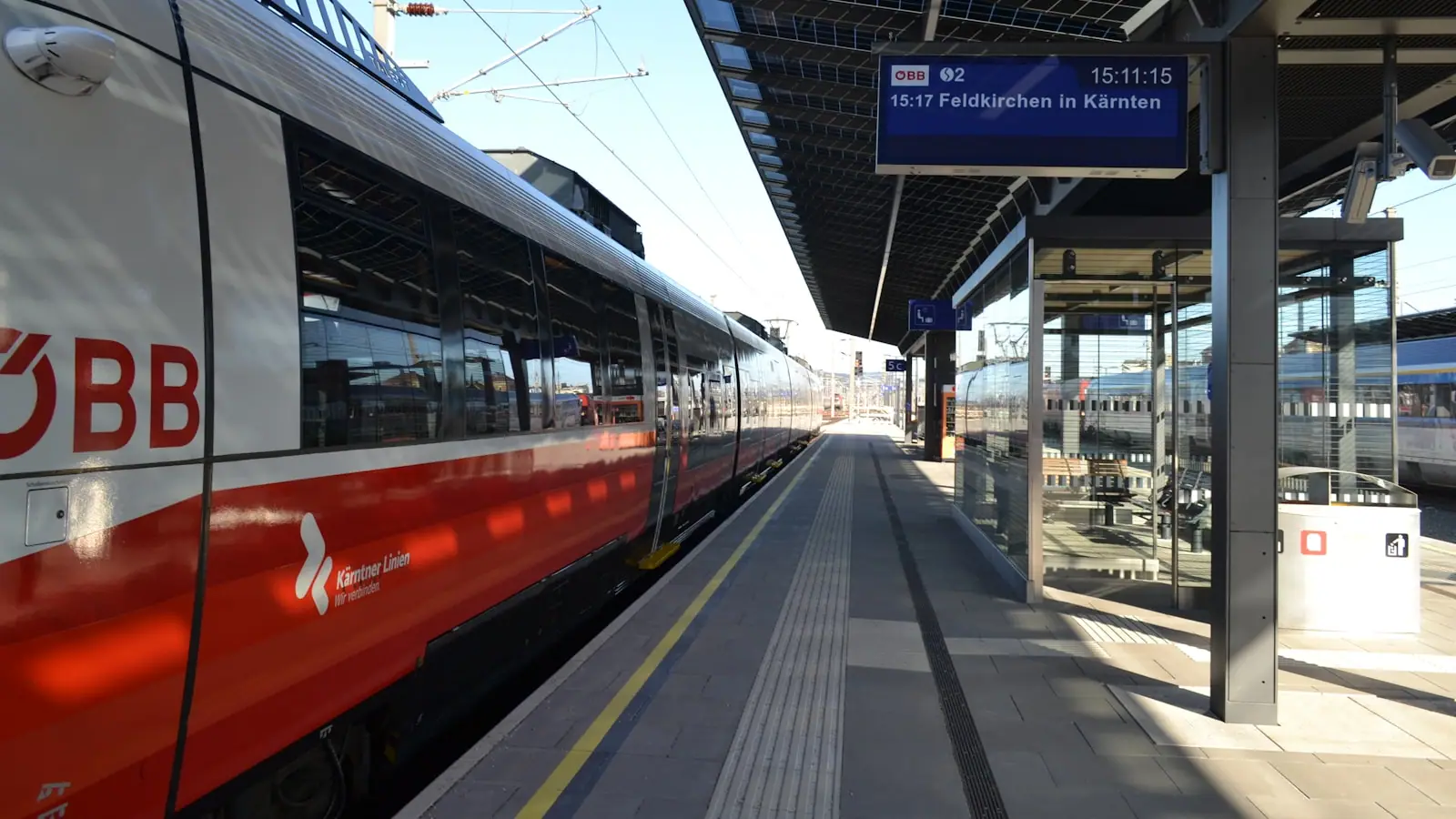
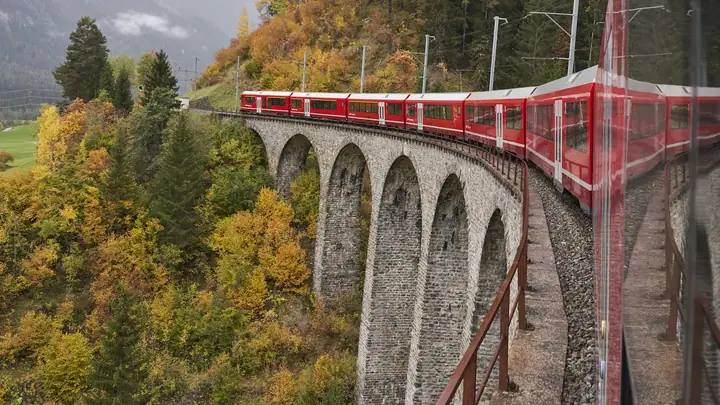
A Eurail Pass is a single ticket that covers train travel in 33 European countries, sold to travellers who live outside Europe. A 2026 Global Pass starts around €283 for 4 travel days (Seat61, prices checked mid-2026). It is worth buying if you value flexibility or plan many long legs. It usually loses to advance point-to-point tickets on a fixed route, and for families of four a rental car often costs less overall. Here is the full picture, including the seat reservation fees most guides bury.
What is a Eurail Pass and who can buy one?
Your country of residence decides which pass you need, not your passport. If you live outside Europe, you buy a Eurail Pass. If you are a resident of Europe, you buy an Interrail Pass instead. The two are run by the same company and work the same way (Eurail official eligibility page).
For readers in India, the UAE and the wider Gulf, that means Eurail. Residence is what counts, so an Indian citizen living in Dubai buys exactly the same Eurail Pass as one living in Mumbai.
The Global Pass covers national railways in 33 countries, from Portugal to Finland. You choose between two structures:
- Flexi passes: a set number of travel days within a window, for example 7 days within 1 month. A travel day runs midnight to midnight, and you can take unlimited trains on it.
- Continuous passes: unlimited travel every day for 15 days, 22 days, or 1 to 3 months.
One practical note for visa applicants: confirmed rail bookings work as itinerary evidence for a Schengen application, the same way hotel and car bookings do. Our Schengen visa application guide covers what consulates actually want to see.
How much does a Eurail Pass cost in 2026?
These are the standard adult 2nd class Global Pass prices as verified by Seat61 in mid-2026. Eurail runs frequent promotions, often 10 to 25 percent off, so check eurail.com before you buy. First class costs roughly 30 percent more.
| Pass type | Adult 2nd class | Youth (12-27, approx. -25%) | Senior (60+, approx. -10%) |
|---|---|---|---|
| 4 days in 1 month | €283 | ~€212 | ~€255 |
| 5 days in 1 month | €318 | ~€239 | ~€286 |
| 7 days in 1 month | €381 | ~€286 | ~€343 |
| 10 days in 2 months | €447 | ~€335 | ~€402 |
| 15 days in 2 months | €553 | ~€415 | ~€498 |
| 1 month continuous | €696 | ~€522 | ~€626 |
| 3 months continuous | €956 | ~€717 | ~€860 |
Standard prices; Eurail's live promotional prices may be lower.
The age rules matter more than the headline numbers:
- Children aged 4 to 11 travel free, up to two per adult, but they still pay full seat reservation fees on trains that require them (Eurail Global Pass, Seat61).
- Youth pricing runs to age 27, which is generous compared with most discount schemes.
Global Pass or One Country Pass?
If your whole trip sits inside one country, the One Country Pass is usually cheaper. These offer 3 to 8 travel days within 1 month, starting from roughly €54 for the cheaper countries and typically €140 to €260 for Italy, France or Spain (approximate; confirm current prices on eurail.com).
The Global Pass earns its price when you cross borders several times. A classic Paris, Switzerland, Italy loop with five or six long legs is exactly the itinerary the Global Pass was designed for.
One important exception: Switzerland. The Eurail Pass covers Swiss national trains, but several famous scenic lines charge supplements, and the Swiss Travel Pass bundles boats, buses and mountain discounts that Eurail does not. For a Switzerland-heavy trip, compare the two in our Swiss Travel Pass guide before deciding.
What is the seat reservation gotcha in France, Italy and Spain?
This is where most first-timers overspend. The pass covers the fare, but high-speed trains in France, Italy and Spain require a paid seat reservation on top, and you cannot board without one. Eurail's own averages: about €10 for domestic reservations, €15 for international ones, and €20 for night trains (Eurail reservation fees).
Official fees per person, per train (Eurail domestic fees page):
| Country and train | Reservation fee | Mandatory? |
|---|---|---|
| France TGV | €10-20 | Yes |
| France Intercités | €10-20 (€1.60 where optional) | Mostly |
| Italy Frecciarossa / Frecciargento | €13 | Yes |
| Italy Frecciabianca | €10 | Yes |
| Italy Intercity | €3 | Yes |
| Italy regional trains | €0 | No reservation possible |
| Spain AVE | €10 (2nd) / €13 (1st) / €23.50 Premium | Yes |
| Spain Alvia and Intercity | €6.50 (2nd) / €10 (1st) | Yes |
| Eurostar | ~€35-40 | Yes |
| Night trains | €34 (couchette) to ~€94 (2-bed sleeper) | Yes |
| Germany, Austria, Switzerland | €0 (optional ~€3-6) | No |
Two warnings from Seat61, the most experienced independent voice on this:
- French TGV passholder seats are quota-limited. Each TGV sells only a fixed number of passholder places, and they sell out in summer. A valid pass does not guarantee a seat on the train you want.
- Budget €10 or more per non-local train in France, Italy and Spain on top of your pass price. It adds up fast.
The 2026 workaround: the Eurail Plus Pass
New for 2026 and still labelled beta, the Eurail Plus Pass bundles reservation fees into the pass price. The Global variant offers 5 or 7 travel days per month and includes 3 "high-demand credits" for Eurostar, SNCF high-speed and night-train seats. Italy and German Rail variants offer 4 days per month with no credits needed. You must activate it within 3 months of purchase, and it excludes sleeper berths, buses and ferries. Refunds are 100 percent within 7 days of purchase, 90 percent after. If your route is reservation-heavy, price both versions before buying.
How does the mobile pass actually work?
The Eurail Pass now lives in the free Rail Planner app rather than on paper. The mechanics catch people out, so here are the rules that matter (Mobile Pass FAQ, activation guide):
- Activate within 11 months of purchase. You can buy now for a trip up to nearly a year away.
- The app needs internet at least once every 3 days while the pass is active. You do not need constant roaming data, but you cannot go fully offline for a week.
- Your passport number locks in at activation. Check it carefully; it cannot be changed afterwards.
- Your country of residence can only be changed before activation, and only via customer support.
- The night-train rule works in your favour: a direct overnight train uses only one travel day, the date of departure, as long as you do not change trains after midnight (Seat61). Board a Vienna to Venice sleeper at 21:00 and the whole journey costs a single flexi day.
Is a Eurail Pass cheaper than point-to-point tickets?
Usually not on a fixed itinerary, and Seat61's long-running analysis is blunt about this: advance-purchase fares on popular routes often run €30 to 60, which beats the per-day cost of a pass (Seat61). The pass wins on flexibility, last-minute travel, and expensive-ticket countries like Switzerland, Benelux and Scandinavia.
Worked example for a 7-day pass:
| Item | Cost |
|---|---|
| 7 days in 1 month Global Pass (adult 2nd class) | €381 |
| 7 seat reservations at ~€13 average | ~€91 |
| Total | ~€472, about €67 per travel day |
| Typical advance fare, e.g. Paris-Amsterdam or Milan-Rome | €30-60 |
| Same ticket bought on the day | €100-180 |
The pattern is clear. If you book each leg 2 to 3 months ahead on a fixed route, point-to-point tickets win. If you want to decide each morning where to go next, or you are booking two weeks before departure when cheap fares are gone, the pass wins.
Trains or driving: which is better for families and groups?
For solo travellers and couples hopping between big cities, rail is hard to beat. For families and groups of three or more, the maths tilts sharply toward a car. Run the numbers for 2 adults and 2 children aged 4 to 11 on a 10-travel-day trip:
| Cost line | Eurail (family of 4) | One rental car (14 days) |
|---|---|---|
| Passes | 2 x €447 = €894 (children free) | Included in rental |
| Seat reservations, ~40 person-legs | ~€400-500 (children pay these) | €0 |
| Vehicle | n/a | Compact car ~€35-65/day, roughly €490-910 (Rick Steves, approximate) |
| Core transport total | ~€1,300-1,400 | ~€490-910 plus fuel and tolls |
Beyond the totals, the car covers all four people with one cost, goes door to door, carries the luggage, and fits proper child seats (see our child seat rules in Europe guide). The rail option means hauling bags across station concourses and paying per-person fees on every fast train. Add fuel and tolls to the car side, of course; our Europe road trip on a budget post breaks those down honestly.
To be fair to rail: a couple staying inside city centres, where parking is a cost rather than a convenience, can absolutely do better on trains. This is a route-shape question, not a religion.
The same Paris, Alps, Italy corridor that Eurail passengers ride is also one of Europe's great driving routes. If the car column looks better for your group, that is exactly what Easy Escape designs: a bespoke self-drive itinerary through Western Europe, the Swiss Alps or Tuscany, built by ground experts who live there, with the car, hotels and pre-located parking handled for you. Our fee is flat, so whether you choose a guesthouse or a five-star palace, our advice is never commission-driven.
FAQ
Is a Eurail Pass worth it in 2026?
Yes for flexible or last-minute travellers covering many long legs, especially through Switzerland, Benelux or Scandinavia. No for fixed itineraries booked well in advance, where €30-60 point-to-point fares beat the pass's roughly €67 per travel day (Seat61).
Can Indian citizens buy a Eurail Pass?
Yes. Eligibility depends on residence, not citizenship: anyone living outside Europe qualifies (Eurail eligibility). You can buy before your Schengen visa is approved, and confirmed rail bookings support your visa itinerary. Indian passport holders should also read our Schengen visa guide for Indian passports.
Do children travel free on Eurail?
Children aged 4 to 11 travel free, up to two per adult, on a child pass added at purchase. They still pay full seat reservation fees on French, Italian and Spanish fast trains, Eurostar and night trains, which is a real cost for families (Eurail).
Do I need seat reservations with a Eurail Pass?
On high-speed trains in France, Italy and Spain, on Eurostar, and on night trains, yes, and they cost €3 to €40 per person (official fees). On German, Austrian and Swiss trains and most regional services, no; reservations there are optional or unavailable.
What is the difference between Eurail and Interrail?
They are the same product from the same company. Interrail is for residents of Europe; Eurail is for everyone living outside Europe. Prices and coverage are broadly similar, and the residence rule, not your passport, decides which one you must buy (Eurail).
What happens if TGV passholder seats are sold out?
You cannot board that departure with your pass. Passholder places on French TGVs are quota-limited and sell out in summer (Seat61). Your options: take a slower Intercités or regional routing, buy a normal ticket for that leg, or book reservations weeks ahead.
If the reservation queues, quotas and per-person fees in this guide have you eyeing the driving column instead, that is what we do. Tell us your dates, taste and budget at /plan and European ground experts will design your self-drive trip end to end: late-model premium car, hotels, routes and parking, all delivered in the companion app available only to Easy Escape travellers.
Sources and references
- Eurail Global Pass (official)
- Eurail reservation fees overview (official)
- Domestic reservation fees by country (official)
- Eurail Plus Pass (official)
- Do I need a Eurail or an Interrail Pass? (official)
- Eurail Mobile Pass FAQ (official)
- Adding and activating your mobile pass (official)
- Eurail One Country Pass (official)
- Seat61: How to use a Eurail Pass (2026)
- Rick Steves: Car-Rental Costs in Europe